
Brain Hemorrhage: Causes, Symptoms and Treatment
A brain hemorrhage is a medical emergency. Learn the types, causes and warning signs, how doctors diagnose it, and what treatment and recovery may involve.
Call an Ambulance Immediately
If someone develops sudden neurological symptoms or an abrupt, extremely severe headache, call an ambulance immediately. Do not wait for a clinic appointment, even if symptoms improve.
What Is a Brain Hemorrhage?
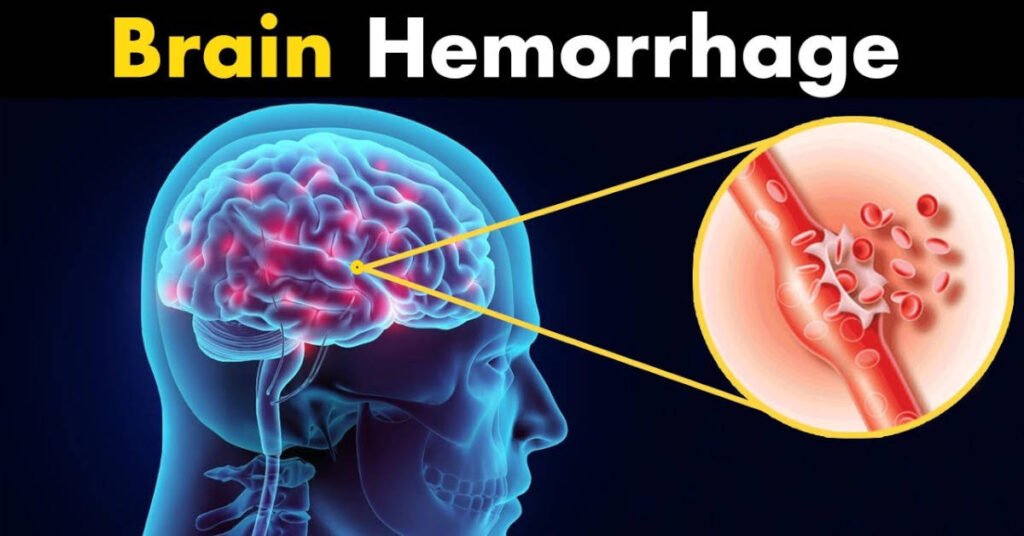
A brain hemorrhage, also called a brain bleed, can injure brain tissue and increase pressure inside the skull. Some spontaneous brain hemorrhages are classified as hemorrhagic strokes.
A hemorrhagic stroke involves bleeding, while an ischemic stroke results from a blocked blood vessel. Symptoms can overlap, so urgent brain imaging is needed to identify the problem and guide treatment.
Types of Brain Hemorrhage
The name depends on where the bleeding occurs:
- Intracerebral hemorrhage: Bleeding within the brain tissue.
- Subarachnoid hemorrhage: Bleeding into the space between the brain and its surrounding membranes, sometimes caused by a ruptured aneurysm.
- Subdural hematoma: Blood collecting beneath the dura, the brain’s tough outer covering, commonly after a head injury.
- Epidural hematoma: Blood collecting between the skull and the dura, usually following trauma.
These conditions require different treatment approaches. Their seriousness depends on the extent of bleeding, pressure on the brain and the person’s neurological condition.
What Causes a Brain Hemorrhage?
1High Blood Pressure
Long-standing, uncontrolled hypertension can damage small arteries in the brain, making them more vulnerable to rupture. Managing blood pressure is an important part of preventing spontaneous intracerebral hemorrhage.
2Ruptured Brain Aneurysm
An aneurysm is a weakened, bulging section of an artery. If it ruptures, it can cause bleeding around the brain, often producing a sudden, extremely severe headache.
3Head Injury
Falls, road accidents and other injuries can damage blood vessels inside the skull. Symptoms may appear immediately or develop later, particularly with a subdural hematoma.
4Abnormal Blood Vessels
An arteriovenous malformation, or AVM, is an abnormal connection between arteries and veins. These fragile vessels can sometimes bleed.
5Blood-Thinning Medicines and Clotting Disorders
Anticoagulants and certain bleeding disorders can increase the risk or severity of bleeding. Patients should take prescribed medicines as directed and discuss changes with their treating doctor.
6Other Causes
Cerebral amyloid angiopathy, which affects blood vessel walls particularly in older adults, can cause bleeding. Less commonly, a brain tumour may bleed. However, a brain hemorrhage does not automatically indicate a tumour.
Brain Hemorrhage Symptoms: Warning Signs to Recognise
Symptoms depend on the location and size of the bleed. They may start suddenly or worsen over minutes to hours. Warning signs include:
- Sudden weakness or numbness, especially on one side
- Facial drooping or difficulty speaking
- A sudden, unusually severe headache
- New vision problems
- Loss of balance or coordination
- Vomiting, particularly with neurological symptoms
- Seizures
- Confusion, increasing drowsiness or unconsciousness
A thunderclap headache reaches maximum intensity rapidly and needs emergency assessment. Not every brain hemorrhage causes a severe headache, so sudden weakness or speech difficulty also requires immediate attention.
What Should You Do Immediately?
Call an ambulance, note when symptoms started and share the person’s medication list with emergency staff. Do not give aspirin for suspected stroke unless a clinician directs you, because bleeding must first be excluded. Avoid giving food or drink when swallowing may be impaired.
How Is a Brain Hemorrhage Diagnosed?
Doctors assess consciousness, speech, strength, pupils and other neurological functions. A non-contrast CT scan is commonly the first investigation because it can quickly detect acute bleeding.
Further tests may include CT angiography, MRI, MR angiography or catheter cerebral angiography to investigate the cause. Blood tests check clotting, platelet levels and other relevant health factors.
If a subarachnoid hemorrhage remains suspected despite an initial negative CT scan, additional testing may be necessary. The next step depends on the scan timing, findings and clinical assessment.
Brain Hemorrhage Treatment Options
Treatment aims to stabilise the patient, limit further injury, manage pressure and address the underlying cause.
Emergency Medical Care
Patients may need care in a stroke unit or neurocritical care unit. Treatment can include carefully controlled blood pressure reduction, reversal of anticoagulant effects when appropriate, breathing support and management of complications. Seizures are treated when indicated. Repeated examinations and scans help the team detect changes.
Surgery
Some patients need surgery to remove a collection of blood or relieve dangerous pressure. Options may include craniotomy, selected minimally invasive clot evacuation or decompressive surgery.
A drain may be necessary if bleeding obstructs cerebrospinal fluid circulation and causes hydrocephalus. Surgery is not required for every hemorrhage. The decision depends on the bleed’s location, size, associated pressure and the patient’s condition.
Aneurysm and Vascular Treatment
A ruptured aneurysm may require surgical clipping or endovascular coiling to secure it and reduce rebleeding risk. Treatment for an AVM is planned individually and may involve surgery, embolisation or radiosurgery.
Recovery and Rehabilitation
Recovery varies considerably. The extent of brain injury, complications, previous health and access to rehabilitation all influence progress.
Physiotherapy, occupational therapy, speech and swallowing therapy, and psychological support may help patients regain independence. Some people recover well, while others need continuing assistance. Recovery can continue over months and beyond, without a guaranteed timeline.
Can the Risk Be Reduced?
Regular blood pressure checks, taking prescribed treatment, avoiding smoking and recreational stimulants, limiting alcohol and using helmets and seat belts can help reduce risk. Follow-up is particularly important after a previous hemorrhage or a diagnosed vascular abnormality.
Frequently Asked Questions
Is a brain hemorrhage the same as a brain tumour?
No. A hemorrhage is bleeding, while a tumour is an abnormal growth of cells. Rarely, a tumour can bleed. A brain tumour doctor or brain tumour specialist becomes relevant when imaging suggests an underlying mass.
Can a brain hemorrhage be treated without surgery?
Yes. Some patients receive medical treatment and close monitoring. Others need urgent intervention. A neurosurgical or stroke team determines the appropriate approach.
Can someone recover completely?
Some patients recover with little lasting disability, while others experience persistent difficulties. An individual prognosis requires assessment of the scans, neurological findings and progress over time.
Which doctor treats a brain hemorrhage?
Care commonly involves emergency physicians, stroke specialists, neurosurgeons, neurointerventional specialists and critical care teams.
How should I choose the best doctor near me?
For emergency symptoms, go immediately to a hospital with emergency brain imaging and stroke care. Do not delay treatment while searching for the best doctor near me. For planned follow-up, consider relevant qualifications, experience and access to multidisciplinary care.
Specialist Advice and Follow-Up
For information about neurological care, visit our Home Page. For a planned consultation or follow-up enquiry with Dr. Tushar Sharma, use our Contact Us Page. Bring previous scans, medical records and a list of current medicines.
Sudden neurological symptoms require emergency hospital assessment.
Book AppointmentWhatsApp UsNeurosurgeon & Spine Surgeon · Gold Medalist · GIPMER Trained. MBBS · MS (General Surgery) · MCh (Neurosurgery). Consults at Sant Nirankari Health City, Burari and CGM Clinic, East Patel Nagar, Delhi.