
Brain Tumor: Early Warning Signs You Should Never Ignore
Most headaches are not caused by a brain tumor, but some changes deserve prompt attention. Learn the eight warning signs, how doctors investigate them and when to seek emergency care.

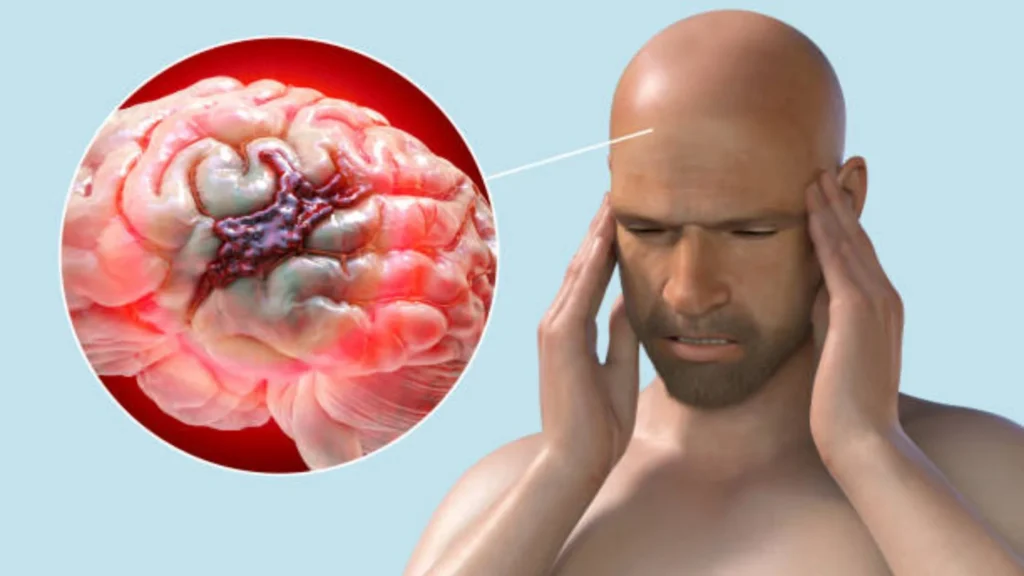
A recurring headache can be worrying, especially when an online search suggests a serious diagnosis. However, most headaches are not caused by a brain tumor. The useful question is whether your symptoms are new, changing, getting worse or occurring alongside other neurological problems.
Understanding the early signs of brain tumor can help you describe changes clearly and seek appropriate care. This guide explains the warning signs, how doctors investigate them, and when to get help. A symptom checklist cannot confirm or exclude a tumor.
What Is a Brain Tumor?
A brain tumor is an abnormal growth of cells within the brain or nearby structures, such as its protective coverings, nerves or pituitary gland. Brain tumors include several different diseases with different patterns of growth and treatment needs.
Some are benign, meaning noncancerous, while others are malignant, meaning cancerous. A benign tumor can still cause significant problems by pressing on important structures or interfering with normal brain function.
A primary brain tumor starts in the brain or related tissues. A secondary, or metastatic, brain tumor develops when cancer spreads to the brain from another part of the body. Examples of tumor types include gliomas, meningiomas and pituitary tumors.
The terms “brain tumor” and “brain cancer” are therefore not interchangeable. Symptoms alone cannot tell you which type is present.
Why Can Brain Tumor Symptoms Vary So Much?
Symptoms depend on the tumor’s location, growth rate, size and effects on surrounding tissue. A growth near areas involved in language may affect speech, while one involving movement pathways may cause weakness.
The skull has limited room for expansion. A tumor, swelling around it or a blockage in the flow of cerebrospinal fluid can increase pressure inside the skull. Doctors call this raised intracranial pressure. It can contribute to headaches, vomiting, visual changes and drowsiness.
There is no single sequence of early warning signs. Changes may develop gradually, while an event such as a seizure can appear suddenly. Having mild symptoms does not reliably indicate a small or harmless tumor, and severe symptoms do not automatically mean cancer.
Eight Warning Signs That Deserve Medical Attention
1A New Headache or a Change in Your Usual Headache Pattern
A headache deserves assessment when it is noticeably different from your usual pattern or becomes more frequent, persistent or severe. A new pattern matters even if you have previously been diagnosed with migraine.
Features to discuss with a doctor include headaches that:
- Gradually worsen over days or weeks.
- Wake you from sleep or are repeatedly troublesome on waking.
- Become worse with coughing or straining.
- Occur with vomiting, weakness, visual changes or confusion.
These features are not specific to brain tumors. Morning headaches can have other explanations, and a tumor-related headache can happen at any time of day. Its location or description alone cannot establish the cause.
Tell the doctor what has changed, how often you need pain relief, and whether other symptoms occur at the same time. Do not rely on temporary pain relief to decide that a changing headache needs no assessment.
2A First Seizure or an Unexplained Episode of Altered Awareness
A seizure happens when abnormal electrical activity disrupts brain function. Some seizures cause shaking and loss of consciousness. Others may involve jerking in one limb, a brief period of unresponsiveness, or unusual sensations with altered awareness.
Brain tumors are one possible cause, but a first seizure does not mean someone has a tumor. Several neurological and medical conditions can cause seizures.
A first seizure requires emergency medical assessment, even if the person appears to recover. Do not wait for a second episode before seeking help. A witness’s description of what happened, how long it lasted and how the person recovered can help the medical team.
3New or Worsening Vision Problems
Blurred vision, double vision or loss of part of the visual field can occur when visual pathways are affected. Someone may start missing objects to one side or find familiar tasks harder because their sight has changed.
Eye conditions and other medical problems can cause similar symptoms. Arrange assessment for unexplained or worsening visual changes, especially when they occur with headaches or vomiting. Sudden loss of vision needs emergency care.
4Weakness or Numbness Affecting Part of the Body
A tumor affecting movement or sensation pathways may cause weakness or altered feeling, sometimes on one side. A person might notice a new difficulty gripping objects, using an arm or lifting a foot when walking.
Progressive weakness needs prompt assessment. Sudden weakness, facial drooping or sudden numbness can indicate a stroke and must be treated as an emergency, even if the symptoms improve.
5Increasing Difficulty With Balance or Coordination
The cerebellum and other connected pathways help coordinate movement. Problems in these areas can make walking less steady or interfere with precise hand movements.
Repeated unexplained falls, increasing clumsiness or a new difficulty walking in a straight line deserve attention. Dizziness alone has many possible causes; the pattern and associated symptoms help guide assessment. Sudden severe imbalance, especially with weakness, speech difficulty or double vision, needs emergency care.
6Changes in Speech, Memory, Thinking or Behaviour
Some tumors affect areas responsible for language, planning, judgement or memory. Changes may include difficulty finding familiar words, following a conversation or completing tasks that were previously manageable.
A family member might notice an unusual change in behaviour or concentration before the person does. Occasional forgetfulness is common and has many explanations. A persistent change from someone’s usual abilities or behaviour deserves medical review.
Sudden speech difficulty or acute confusion requires emergency assessment. Do not assume that an abrupt change is simply tiredness or stress.
7Repeated Nausea or Vomiting Without a Clear Explanation
Nausea and vomiting are commonly caused by digestive illnesses, medication effects and other conditions. They can also accompany raised pressure inside the skull.
Repeated vomiting is more concerning when it occurs with a changing headache, visual disturbance, poor balance or unusual drowsiness. Tell the doctor about the combination rather than describing each symptom separately. A morning pattern alone cannot identify a brain tumor.
8Unusual Drowsiness or Reduced Alertness
Increasing sleepiness or a marked change in alertness can be a neurological warning sign. It is different from feeling tired after a late night or a demanding day.
If someone becomes difficult to wake, loses consciousness or deteriorates rapidly, seek emergency care immediately. Do not wait for a routine appointment or attempt to manage the situation only with rest.
When Should You Seek Emergency Care?
Call emergency services or go to the nearest emergency department for:
- A first seizure, a seizure lasting five minutes or longer, or repeated seizures without recovery between them.
- Sudden facial drooping, weakness, speech difficulty or loss of vision.
- An abrupt, extremely severe headache, especially one unlike previous headaches.
- Loss of consciousness, difficulty waking or rapidly worsening confusion.
- Breathing difficulties after a seizure.
These symptoms can have causes other than a tumor, including stroke or bleeding in the brain. Do not wait for an outpatient neurosurgery appointment. The affected person should not drive themselves.
If someone has a convulsive seizure, move dangerous objects away, cushion their head and time the episode. Do not restrain them or put anything in their mouth. Once the jerking stops, turn them onto their side if they are breathing, and stay with them. Follow the emergency dispatcher’s instructions.
What About Symptoms in Children?
Children may not be able to explain headaches, double vision or changes in how they feel. Parents may instead notice repeated vomiting, worsening balance, unusual sleepiness, changes in behaviour, or new difficulties with vision or speech.
Most childhood headaches and episodes of vomiting have other causes. However, persistent, unexplained or worsening symptoms need paediatric assessment, particularly when several changes occur together. A new seizure, sudden neurological change or reduced consciousness requires emergency care.
Write down what you have observed and when it started. Clear examples are more useful than trying to match a child to an online symptom list.
How Do Doctors Investigate a Suspected Brain Tumor?
Brain tumor diagnosis usually involves a clinical assessment followed by selected tests. Not everyone with a headache needs a scan, and the decision depends on the history, examination and warning signs.
Medical History and Neurological Examination
The doctor asks when symptoms began, how they have changed and whether they affect daily activities. They may assess muscle strength, sensation, reflexes, coordination, walking, speech and memory. An eye examination can provide additional information.
MRI or CT Scan
Magnetic resonance imaging, or MRI, provides detailed pictures of the brain and is commonly used to investigate a suspected tumor. A contrast agent may help clarify particular findings when appropriate.
A computed tomography, or CT, scan is often used in emergencies because it can provide information quickly. It may also be useful when MRI cannot be performed. The medical team chooses the scan according to the clinical situation.
Tissue Diagnosis When Needed
If imaging shows an abnormal growth, a biopsy or tissue obtained during surgery may help establish the diagnosis. Laboratory assessment can identify tumor type, grade and relevant molecular features that influence treatment.
Not every suspected tumor is biopsied immediately. The specialist considers the scan findings, location, potential risks and whether observation is appropriate.
What Happens if a Brain Tumor Is Found?
Treatment depends on the diagnosis, location, symptoms, general health and the risks of each option. A diagnosis does not automatically mean immediate surgery.
Some selected tumors can be monitored with scheduled scans. Others may require surgery, radiotherapy, medication or a combination of treatments. When surgery is appropriate, an important aim is to remove as much tumor as safely possible while protecting neurological function.
Care may involve a neurosurgeon, neurologist, neuroradiologist, oncologist and rehabilitation professionals. Treatment planning also considers practical needs such as seizure control, mobility and communication.
Timely assessment can identify the cause of symptoms and guide care, but it cannot guarantee a cure. Prognosis varies substantially between tumor types and individual patients.
How to Prepare for a Medical Appointment
For symptoms that are persistent but not an emergency, a short written record can make the consultation more useful. Include:
- When each symptom started and whether it is worsening.
- How often it occurs and how long it lasts.
- Whether headaches occur with vomiting, visual changes or weakness.
- Any changes noticed by family members or colleagues.
- Current medicines, previous diagnoses, and available scan reports and images.
Describe the effect on everyday life. “I keep dropping objects from my right hand” is more informative than “I feel unwell.” If symptoms continue or worsen after an initial assessment, contact the clinician again rather than waiting indefinitely.
Frequently Asked Questions
What Is Usually the First Sign of a Brain Tumor?
There is no universal first sign. A changing headache, a seizure, weakness or difficulties with vision, speech or thinking may be the first noticeable change. Some tumors are discovered before symptoms develop. The location and behaviour of the tumor influence how it presents.
Can a Brain Tumor Occur Without Headaches?
Yes. Headaches are not present in everyone with a brain tumor. A person may instead develop seizures, visual problems, weakness or changes in behaviour. The absence of a headache does not rule out a neurological condition when other concerning symptoms are present.
How Is a Brain Tumor Headache Different From Migraine?
The symptoms can overlap, so the pain’s character alone cannot reliably distinguish them. A new or progressively worsening pattern, abnormal neurological findings or accompanying warning signs may prompt further investigation. Someone with established migraine should also report a significant change in their usual headaches.
Can Symptoms Come and Go?
Yes, some symptoms can be intermittent, particularly early on. Improvement does not always establish the cause. Record recurring episodes and seek assessment when the pattern is unusual or worsening. Sudden stroke-like symptoms remain an emergency even if they disappear.
Can a Blood Test Detect a Brain Tumor?
Routine blood tests cannot reliably detect or exclude most brain tumors. They may help assess general health or investigate other explanations. Specific hormone or tumor-marker tests can assist with certain tumor types, but they do not replace appropriate imaging and specialist evaluation.
Is MRI Always Necessary for a Persistent Headache?
No. A doctor first considers the headache pattern, medical history, examination and any warning signs. Many headaches can be assessed without brain imaging. When a structural cause is suspected, MRI or another appropriate investigation may be recommended.
Are All Brain Tumors Cancerous?
No. Brain tumors can be noncancerous or cancerous. Both can cause symptoms because of their location and effects on nearby tissue. “Benign” does not mean that a tumor can be ignored; follow-up and treatment decisions still require specialist assessment.
Should Healthy People Have Regular Scans to Screen for Brain Tumors?
Routine brain scans are not widely recommended for people without symptoms or a specific high-risk condition. People with certain inherited syndromes may need an individual surveillance plan. Discuss your own history with a doctor if you have a known risk condition or relevant family history.
Does Finding a Tumor Early Guarantee Recovery?
No. Earlier assessment can help doctors investigate symptoms and plan treatment, but outcomes depend on factors such as tumor type, grade, location and overall health. Symptoms and the timing of diagnosis alone cannot predict the result.
Discuss Persistent Neurological Symptoms With Dr. Tushar Sharma
For persistent or progressive symptoms that are not an emergency, arrange a consultation with Dr. Tushar Sharma, Brain, Spine & Endovascular Neurosurgeon, to discuss your symptoms and available reports. Bring previous brain scans, relevant medical records and a list of current medicines.
If symptoms begin suddenly or include a first seizure, new weakness, speech difficulty or reduced consciousness, seek emergency care immediately.
Book AppointmentWhatsApp UsNeurosurgeon & Spine Surgeon · Gold Medalist · GIPMER Trained. MBBS · MS (General Surgery) · MCh (Neurosurgery). Consults at Sant Nirankari Health City, Burari and CGM Clinic, East Patel Nagar, Delhi.