Brain Stroke Treatment – Fast & Advanced Neuro Care
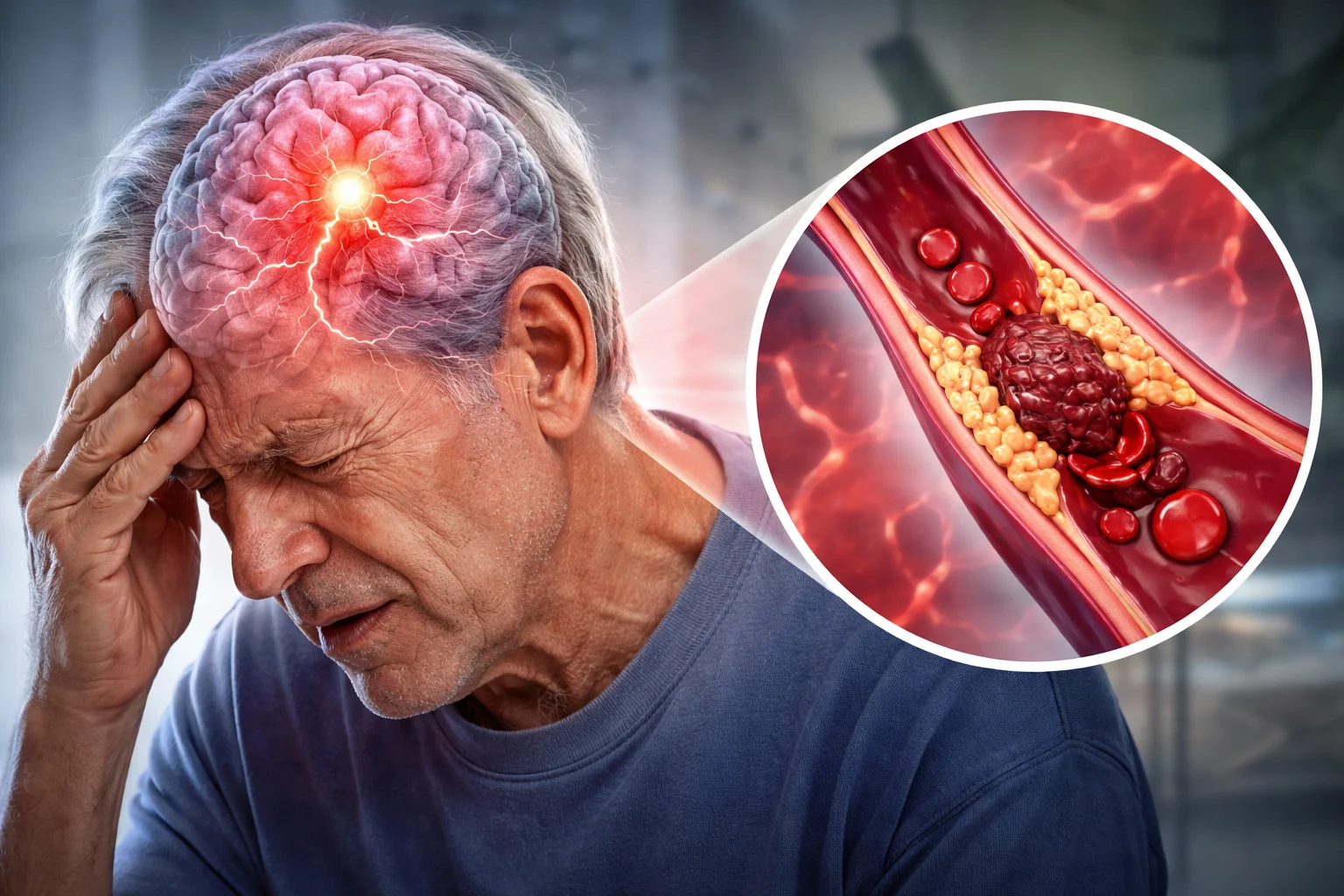
A brain stroke is a medical emergency that occurs when the blood supply to the brain is interrupted or reduced. Immediate treatment is critical to prevent brain damage, disability, or death.
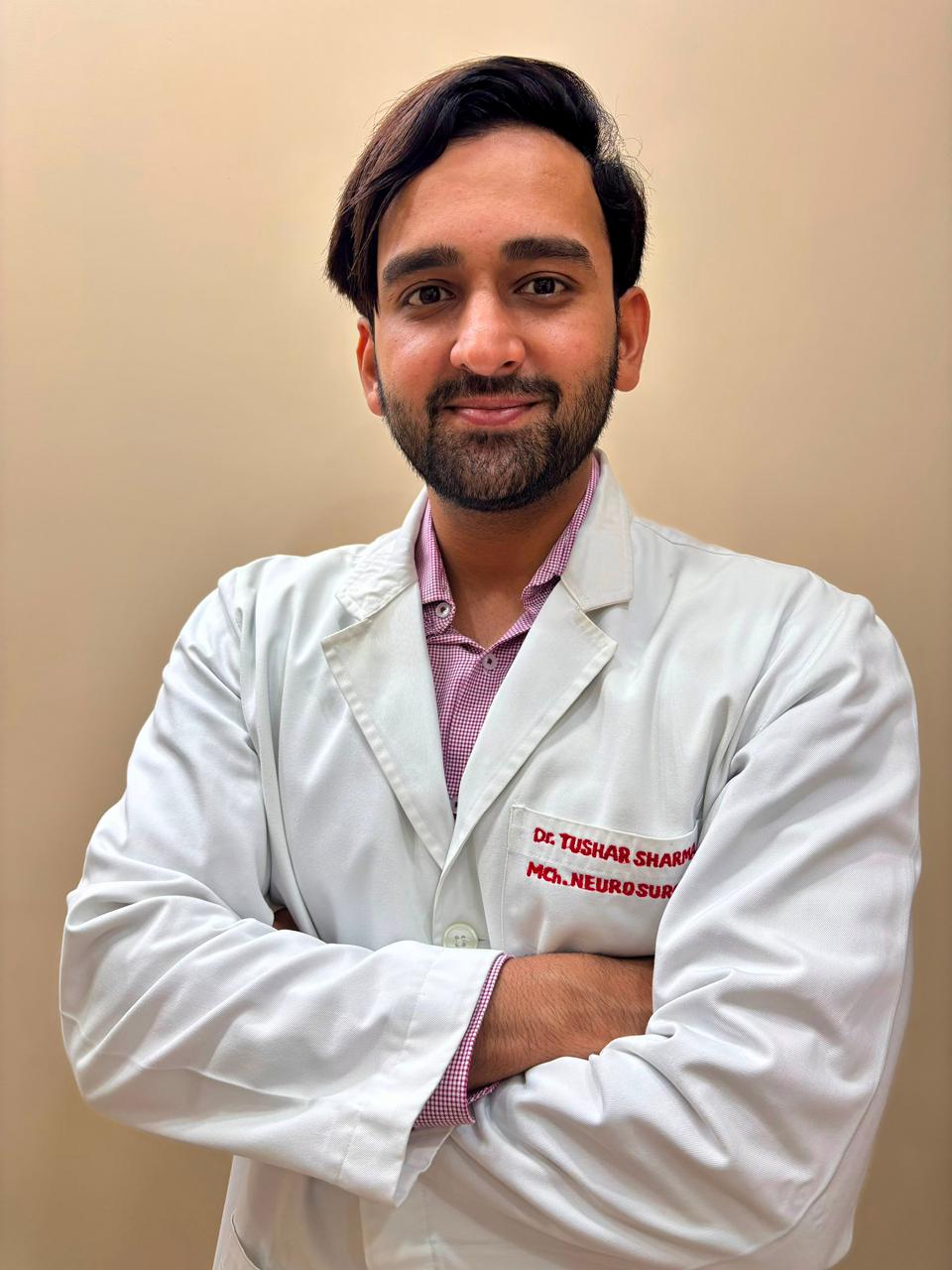
An experienced neurosurgeon or stroke specialist uses advanced diagnostic tools and modern treatment techniques to restore blood flow and protect brain function.
What is a Brain Stroke?
A brain stroke happens when brain cells are deprived of oxygen due to disrupted blood flow. Without quick treatment, brain cells begin to die within minutes.
Types of Brain Stroke:
- Ischemic Stroke – caused by a blockage in a blood vessel (most common)
- Hemorrhagic Stroke – caused by bleeding in the brain
- Transient Ischemic Attack (TIA) – a temporary or "mini-stroke" warning sign
Causes of Brain Stroke
Common causes include:
- High blood pressure
- Blood clots
- Atherosclerosis (blocked arteries)
- Heart disease
- Diabetes
- Smoking and unhealthy lifestyle
Symptoms of Brain Stroke (Act FAST)
Recognizing symptoms early can save a life:
- F – Face drooping
- A – Arm weakness
- S – Speech difficulty
- T – Time to call emergency services
Other symptoms:
- Sudden numbness or weakness
- Severe headache
- Loss of balance or coordination
- Vision problems
Brain Stroke Treatment Options
- Emergency Medication (Clot-Busting Drugs)
Used in ischemic stroke to dissolve blood clots if given within the golden time window (usually 3–4.5 hours). - Mechanical Thrombectomy
A minimally invasive procedure where a clot is physically removed from the brain artery. - Brain Surgery
Required in severe cases, especially for hemorrhagic stroke, to remove blood or repair damaged vessels. - Rehabilitation Therapy
Includes physiotherapy, speech therapy, and occupational therapy to regain lost functions.
Advanced Technologies Used
- CT Scan and MRI imaging
- Neurointerventional procedures
- Angiography
- ICU stroke monitoring systems
- Minimally invasive neurosurgery
Importance of Early Treatment
- Reduces brain damage
- Improves survival rates
- Prevents long-term disability
- Enhances recovery outcomes
Recovery After Brain Stroke
Recovery varies from person to person:
- Initial hospital stay: Few days to weeks
- Rehabilitation: Weeks to months
- Full recovery: Depends on severity and timely treatment
Lifestyle changes and follow-ups are essential for long-term recovery.
Preventing Brain Stroke
You can reduce risk by:
- Controlling blood pressure
- Managing diabetes and cholesterol
- Quitting smoking
- Eating a healthy diet
- Exercising regularly
- Regular health check-ups
Why Choose an Experienced Neurosurgeon?
A skilled neurosurgeon or stroke expert ensures:
- Rapid diagnosis and intervention
- Advanced treatment options
- Personalized care plans
- Better recovery and reduced complications