Trigeminal Neuralgia Treatment – Advanced Pain Relief Solutions
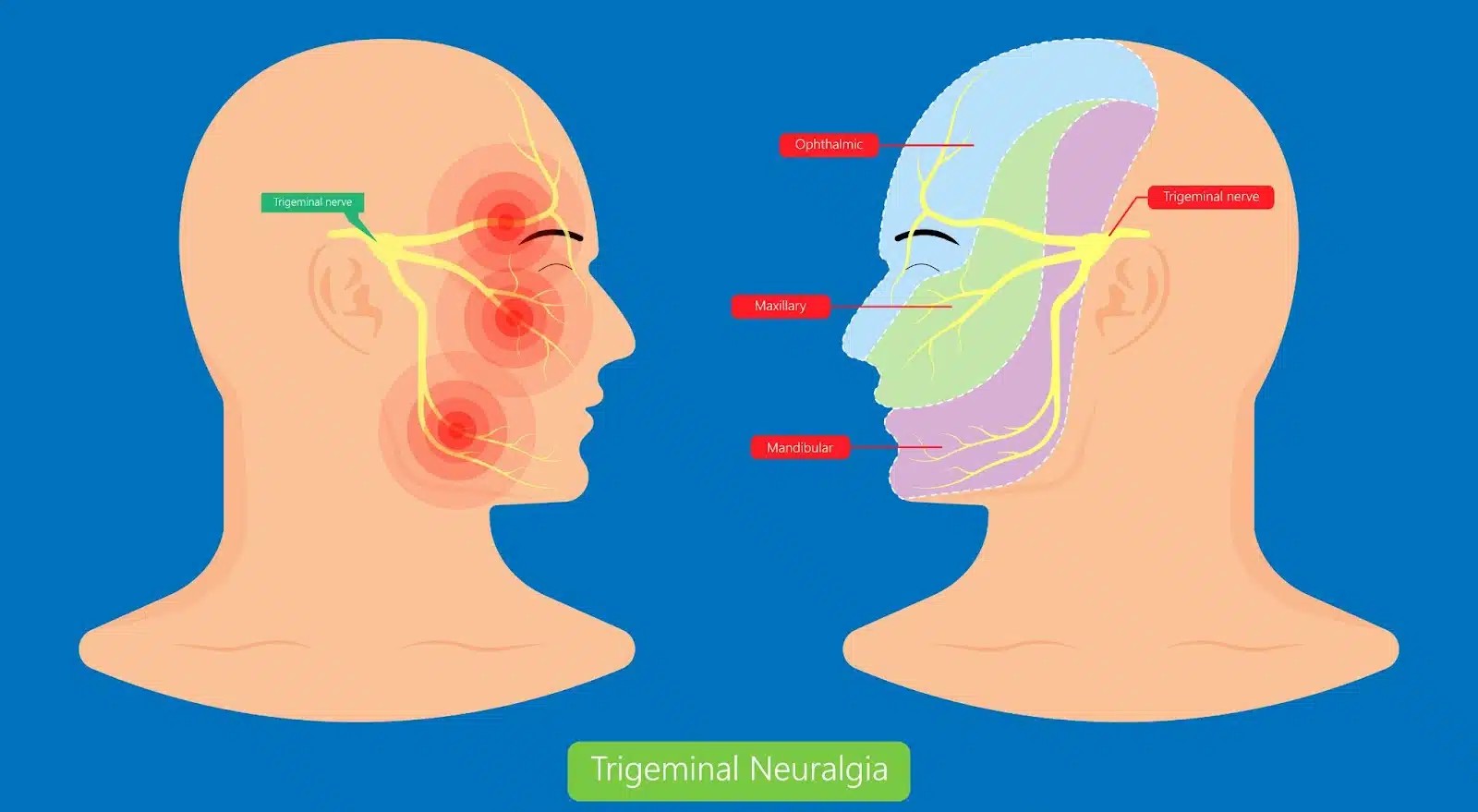
Trigeminal Neuralgia is a chronic pain condition affecting the trigeminal nerve, which carries sensation from the face to the brain. It is known for causing sudden, severe, electric shock-like facial pain that can significantly impact daily life.
An experienced neurosurgeon can diagnose and treat trigeminal neuralgia using advanced medical and surgical techniques to provide long-term relief.
Trigeminal Neuralgia is a neurological disorder involving irritation or compression of the trigeminal nerve. Even mild stimulation such as brushing teeth or touching the face can trigger intense pain.
Causes of Trigeminal Neuralgia
Common causes include:
- Compression of the nerve by a blood vessel
- Multiple sclerosis (MS)
- Aging-related nerve changes
- Tumors pressing on the nerve
- Injury or trauma
Symptoms of Trigeminal Neuralgia
- Sudden, severe facial pain (electric shock-like)
- Pain episodes lasting from seconds to minutes
- Pain on one side of the face
- Triggered by talking, chewing, or touching the face
- Increasing frequency and intensity over time
Diagnosis of Trigeminal Neuralgia
A neurosurgeon may recommend:
- Neurological examination
- MRI scan to identify nerve compression or underlying causes
- Patient history and symptom evaluation
Treatment Options for Trigeminal Neuralgia
- Medications
Anti-seizure drugs and muscle relaxants are often the first line of treatment to control nerve pain. - Microvascular Decompression (MVD)
A surgical procedure to relieve pressure on the trigeminal nerve by repositioning or removing blood vessels. - Radiofrequency Ablation
Uses heat to selectively damage nerve fibers and reduce pain signals. - Gamma Knife Radiosurgery
A non-invasive procedure that uses focused radiation to treat the nerve. - Balloon Compression
A minimally invasive procedure to relieve nerve pressure.
Benefits of Surgical Treatment
- Long-term pain relief
- Reduced dependency on medications
- Improved quality of life
- High success rates with advanced techniques
Risks of Treatment
- Facial numbness
- Recurrence of pain
- Infection (in surgical procedures)
- Rare neurological complications
An experienced neurosurgeon helps minimize these risks.
Recovery After Treatment
- Minimally invasive procedures: 1–3 days recovery
- Surgical procedures: 1–2 weeks initial recovery
- Full recovery: Few weeks
Most patients experience significant pain relief soon after treatment.
Why Choose an Experienced Neurosurgeon?
Choosing a skilled neurosurgeon ensures:
- Accurate diagnosis
- Advanced treatment options
- Personalized care
- Better long-term outcomes