Lumbar Disc Bulge Treatment – Advanced Spine Care
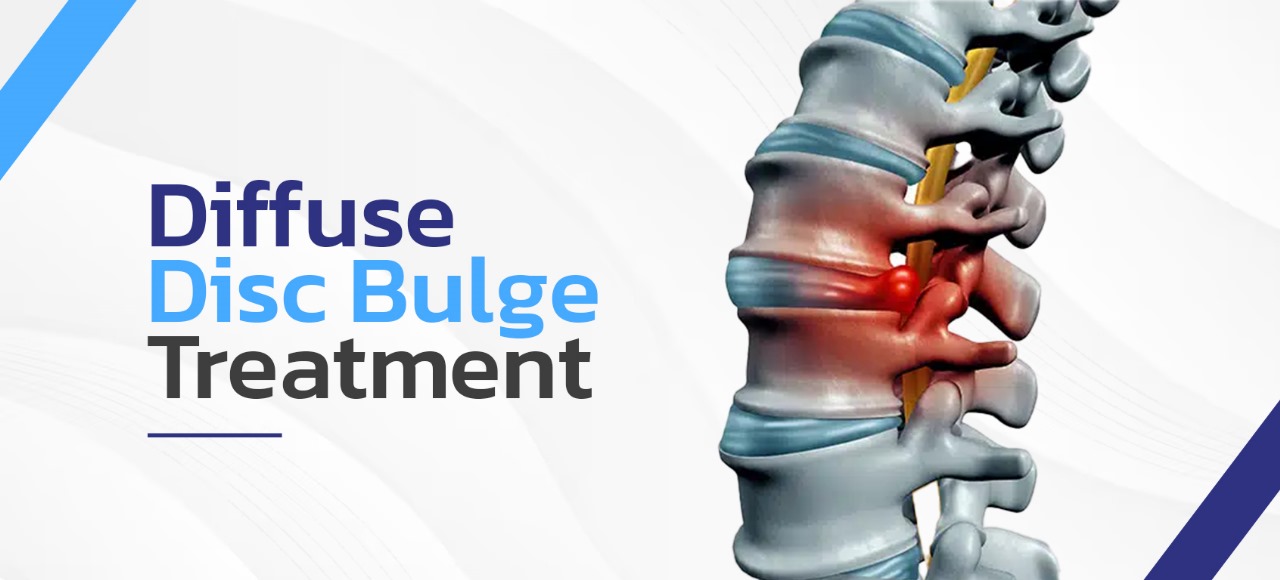
A Lumbar Disc Bulge is a common spinal condition that occurs when a disc in the lower back protrudes beyond its normal position, potentially pressing on nearby nerves. This can lead to pain, discomfort, and reduced mobility.
The spine is made up of bones (vertebrae) separated by soft discs that act as cushions. A lumbar disc bulge occurs when one of these discs in the lower back bulges outward without fully rupturing.
This condition may or may not cause symptoms, depending on whether nearby nerves are affected.
Causes of Lumbar Disc Bulge
Common causes include:
- Age-related degeneration
- Poor posture
- Heavy lifting or sudden strain
- Sedentary lifestyle
- Obesity
- Injury or trauma
Symptoms of Lumbar Disc Bulge
- Lower back pain
- Pain radiating to the legs (sciatica)
- Numbness or tingling in legs or feet
- Muscle weakness
- Difficulty standing, walking, or bending
Diagnosis of Lumbar Disc Bulge
A neurosurgeon may recommend:
- Physical examination
- MRI scan (most accurate)
- CT scan or X-ray (if required)
- Nerve conduction studies
Treatment Options for Lumbar Disc Bulge
1. Conservative Treatment
Most cases improve without surgery:
- Pain medications
- Physiotherapy
- Lifestyle modification
- Heat/ice therapy
- Epidural steroid injections
2. Minimally Invasive Spine Surgery
Recommended if symptoms persist:
- Microdiscectomy – removal of disc material pressing on nerves
- Endoscopic spine surgery – minimally invasive disc treatment
- Laser spine procedures
Benefits of Treatment
- Pain relief
- Improved mobility
- Reduced nerve compression
- Better quality of life
- Faster recovery with minimally invasive techniques
Risks of Treatment
- Infection
- Bleeding
- Nerve injury (rare)
- Recurrence of disc problem
Choosing an experienced neurosurgeon minimizes these risks.
Recovery After Treatment
- Non-surgical recovery: Few weeks
- Post-surgery hospital stay: 1–3 days
- Return to work: 2–6 weeks
- Full recovery: Depends on condition and treatment type
Prevention Tips
- Maintain proper posture
- Exercise regularly
- Avoid heavy lifting
- Maintain healthy weight
- Strengthen core muscles
Why Choose an Experienced Neurosurgeon?
A skilled neurosurgeon ensures:
- Accurate diagnosis
- Personalized treatment plan
- Advanced minimally invasive techniques
- Faster recovery and better outcomes