Brain Tumour Surgery – Advanced Neurosurgical Care
Brain tumour surgery is a highly specialized procedure performed to remove abnormal growths in the brain. With advancements in neurosurgical techniques, modern treatments are safer, more precise, and focused on preserving brain function.
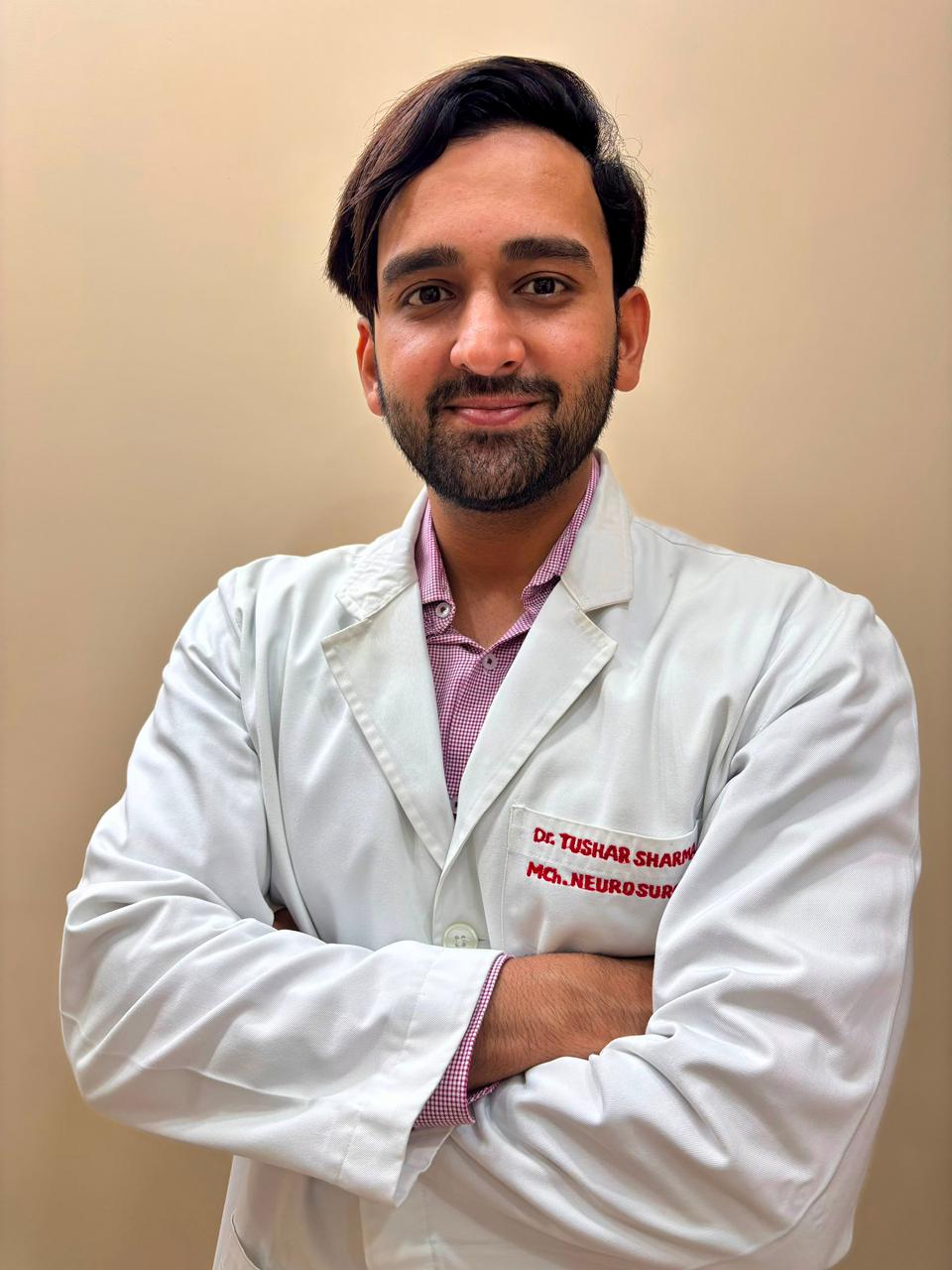
A skilled neurosurgeon plays a critical role in diagnosing, planning, and performing brain tumour surgery using cutting-edge technologies such as neuronavigation, intraoperative imaging, and minimally invasive techniques.
What is a Brain Tumour?
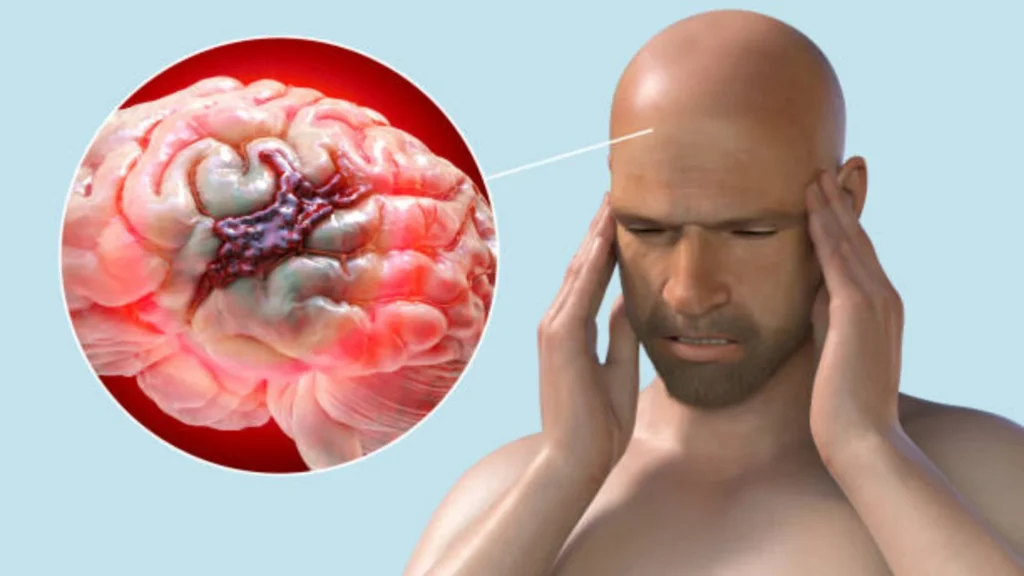
A brain tumour is an abnormal mass of cells growing in or around the brain. Tumours can be:
- Benign (non-cancerous) – slow-growing and less aggressive
- Malignant (cancerous) – fast-growing and may spread
Early diagnosis and timely surgical intervention are crucial for better outcomes.
When is Brain Tumour Surgery Required?
Brain tumour surgery is recommended when:
- The tumour is causing symptoms like headaches, seizures, or weakness
- There is pressure on vital brain structures
- The tumour is growing rapidly
- A biopsy is needed for diagnosis
- Other treatments like radiation or chemotherapy require tumour removal first
Types of Brain Tumour Surgery
- Craniotomy
The most common procedure where a portion of the skull is removed to access and remove the tumour. - Minimally Invasive Brain Surgery
Performed through small incisions using advanced tools for quicker recovery and less pain. - Endoscopic Brain Surgery
Uses a thin tube with a camera to remove tumours through natural openings or small cuts. - Awake Brain Surgery
The patient remains awake during part of the procedure to help protect critical brain functions like speech and movement.
Advanced Technologies Used
Modern neurosurgeons use:
- Neuronavigation systems (GPS-like guidance for the brain)
- Intraoperative MRI/CT scans
- Microsurgical techniques
- Laser-assisted tumour removal
- Robotic-assisted surgery
These technologies improve precision and reduce risks.
Benefits of Brain Tumour Surgery
- Relief from symptoms
- Improved quality of life
- Accurate diagnosis through biopsy
- Reduced tumour size or complete removal
- Better effectiveness of additional treatments
Risks of Brain Tumour Surgery
Like any major surgery, there are risks:
- Infection
- Bleeding
- Swelling in the brain
- Neurological deficits (speech, memory, or movement issues)
- Seizures
However, with an experienced neurosurgeon, risks are significantly minimized.
Recovery After Brain Tumour Surgery
Recovery depends on the tumour type and complexity of surgery:
- Hospital stay: 3–10 days
- Initial recovery: Few weeks
- Full recovery: Several weeks to months
Rehabilitation may include physiotherapy, speech therapy, or occupational therapy.
Why Choose an Experienced Neurosurgeon?
Choosing the right neurosurgeon ensures:
- Accurate diagnosis
- Personalized treatment plan
- Use of advanced surgical techniques
- Lower complication rates
- Better recovery outcomes