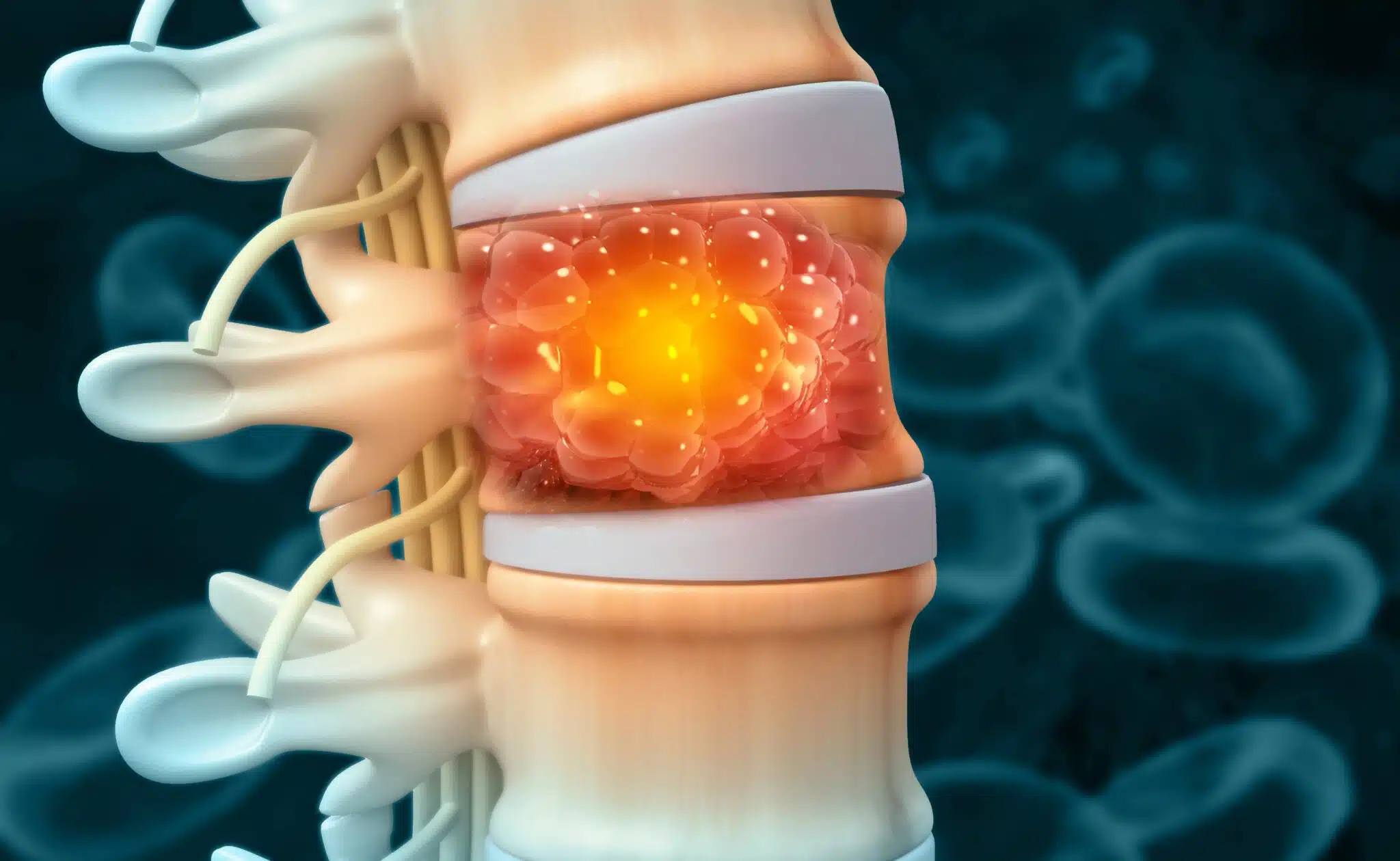
Spine Tumour Treatment – Advanced Neurosurgical Care
A spine tumour is an abnormal growth of cells within or around the spinal cord and vertebrae. These tumours can be benign (non-cancerous) or malignant (cancerous) and may affect nerve function, mobility, and overall health.
A spine tumour is a mass that develops in the spinal cord, spinal canal, or vertebrae. Depending on its location and type, it can compress nerves or the spinal cord, leading to pain and neurological symptoms.
Types of Spine Tumours
Based on Location:
- Intramedullary Tumours – within the spinal cord
- Extramedullary Tumours – outside the spinal cord but inside the spinal canal
- Vertebral Tumours – affecting the bones of the spine
Based on Nature:
- Benign Tumours – slow-growing and non-cancerous
- Malignant Tumours – aggressive and may spread
Causes of Spine Tumours
- Primary tumour growth in the spine
- Spread (metastasis) from cancers like lung, breast, or prostate
- Genetic conditions
- Unknown causes in many cases
Symptoms of Spine Tumour
- Persistent back or neck pain (especially at night)
- Pain radiating to arms or legs
- Numbness or tingling
- Muscle weakness
- Difficulty walking or maintaining balance
- Loss of bladder or bowel control (advanced cases)
Diagnosis of Spine Tumour
A neurosurgeon may recommend:
- MRI scan (most important test)
- CT scan
- X-ray
- Biopsy to confirm tumour type
- Blood tests (if required)
Treatment Options for Spine Tumour
1. Surgical Treatment
- Tumour removal surgery
- Spinal decompression
- Spinal stabilization (rods and screws)
Surgery aims to remove the tumour while preserving nerve function.
2. Radiation Therapy
Used to shrink or destroy tumour cells, especially when surgery is not fully possible.
3. Chemotherapy
Recommended for certain malignant tumours.
4. Minimally Invasive Techniques
Advanced techniques allow tumour removal with less tissue damage and faster recovery.
Benefits of Treatment
- Relief from pain
- Prevention of neurological damage
- Improved mobility and function
- Better quality of life
- Control or removal of tumour
Risks of Spine Tumour Treatment
- Infection
- Bleeding
- Nerve damage
- Recurrence of tumour
- Spinal instability
An experienced neurosurgeon significantly reduces these risks.
Recovery After Spine Tumour Treatment
- Hospital stay: 3–7 days (or more in complex cases)
- Initial recovery: Few weeks
- Full recovery: Several weeks to months
Rehabilitation may be required for strength and mobility.
Why Choose an Experienced Neurosurgeon?
A skilled neurosurgeon ensures:
- Accurate diagnosis and tumour evaluation
- Advanced surgical planning
- Safe tumour removal
- Preservation of spinal cord and nerve function
- Better long-term outcomes