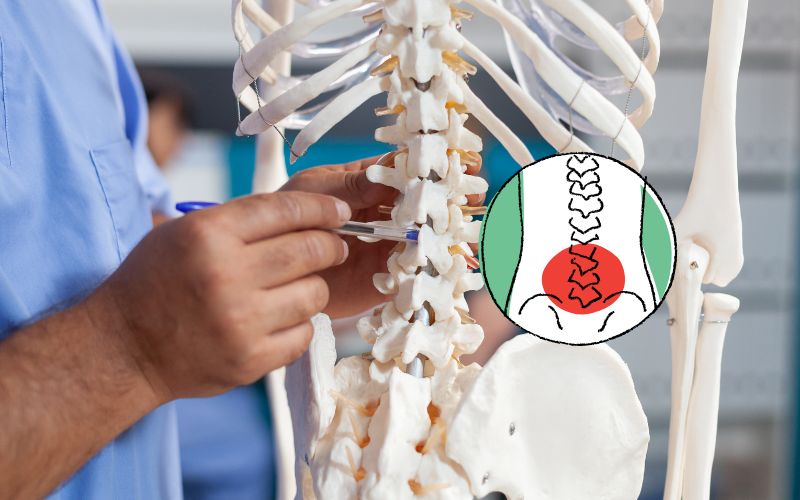
Spine TB (Pott’s Spine) Treatment – Advanced Spine Infection Care
Spine TB, also known as Pott’s Spine, is a serious infection of the spinal bones caused by Mycobacterium tuberculosis. If left untreated, it can lead to severe pain, spinal deformity, and even paralysis.
Spine TB is a form of tuberculosis that affects the vertebrae (spinal bones). The infection can destroy bone tissue, cause spinal instability, and compress the spinal cord.
It is more common in developing countries and requires timely medical care to prevent complications.
Causes of Spine TB
- Spread of tuberculosis bacteria from lungs or other parts of the body
- Weak immune system
- Malnutrition
- Close contact with TB-infected individuals
Symptoms of Spine TB
- Persistent back pain (most common symptom)
- Fever and night sweats
- Weight loss and fatigue
- Spinal stiffness
- Deformity (hunchback or kyphosis)
- Weakness or numbness in limbs
- Difficulty walking (in advanced cases)
Diagnosis of Spine TB
A neurosurgeon may recommend:
- MRI scan (most effective for early detection)
- X-ray or CT scan
- Blood tests (ESR, CRP)
- TB tests (Mantoux, GeneXpert)
- Biopsy (in some cases)
Treatment Options for Spine TB
1. Medical Treatment (Primary Treatment)
- Anti-Tubercular Therapy (ATT) for 6–12 months or longer
- Pain management
- Nutritional support
Most patients recover completely with proper medication.
2. Surgical Treatment
Surgery is required when:
- There is spinal cord compression
- Severe deformity or instability
- Abscess formation
- No improvement with medication
Common Surgical Procedures:
- Spinal decompression
- Abscess drainage
- Spinal stabilization (rods, screws)
- Spinal fusion
Benefits of Early Treatment
- Complete infection control
- Prevention of paralysis
- Reduction in pain
- Restoration of spinal stability
- Better long-term outcomes
Risks of Spine TB
If untreated, Spine TB can lead to:
- Permanent spinal deformity
- Nerve damage
- Paralysis
- Chronic pain
With timely treatment, these risks can be avoided.
Recovery After Spine TB Treatment
- Initial improvement: Few weeks after starting medication
- Full recovery: 6–12 months
- Post-surgery recovery: Several weeks
Regular follow-up is essential to monitor progress.
Prevention Tips
- Early treatment of tuberculosis
- Maintain good hygiene
- Proper nutrition
- Avoid close contact with TB patients
- Regular health check-ups
Why Choose an Experienced Neurosurgeon?
A skilled neurosurgeon ensures:
- Early and accurate diagnosis
- Comprehensive treatment planning
- Advanced surgical care when needed
- Prevention of complications like paralysis