Spondylosis Treatment – Advanced Spine Care
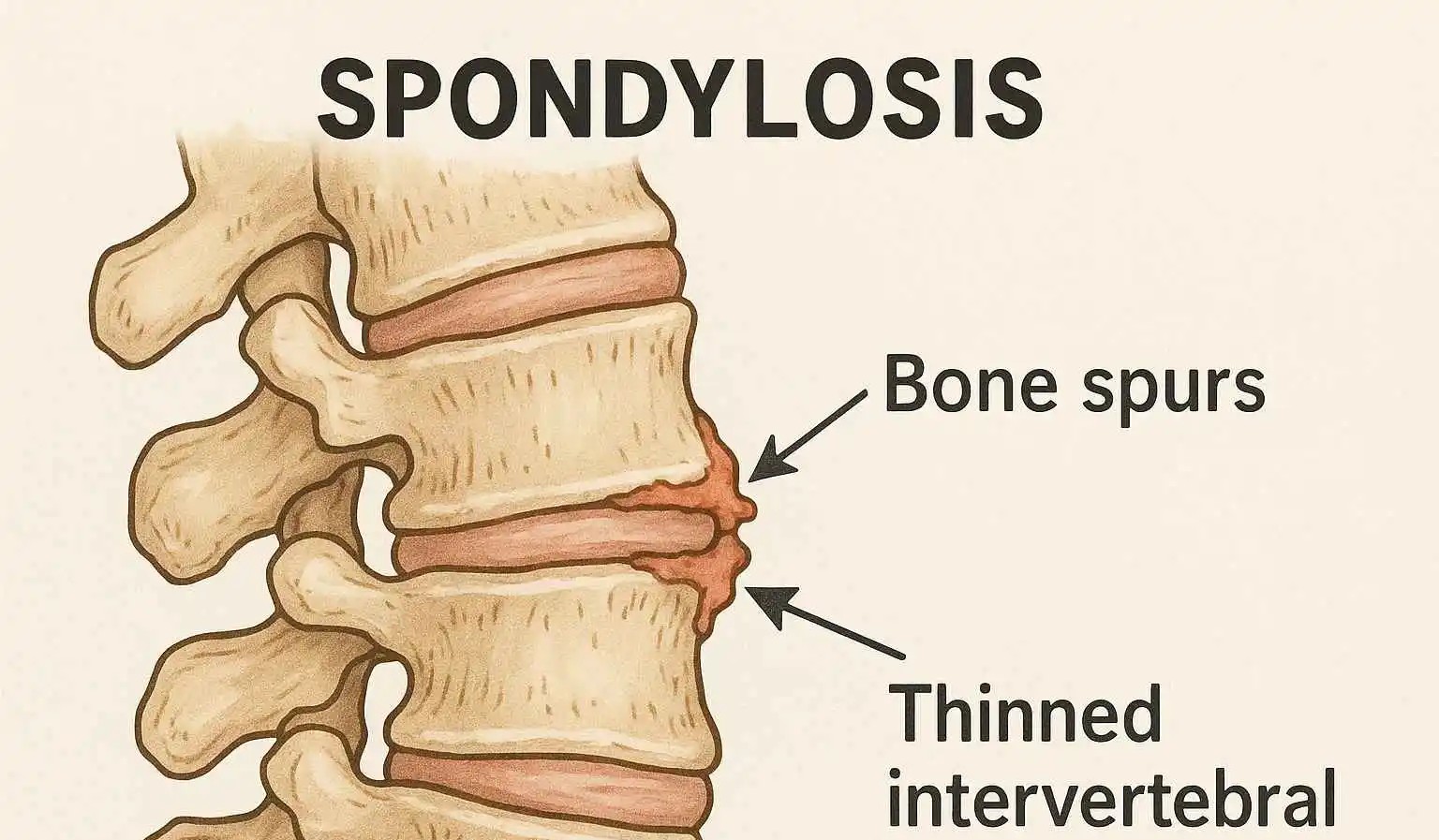
Spondylosis is a common age-related condition that affects the spine due to wear and tear of discs, joints, and bones. It can occur in the neck (cervical), middle back (thoracic), or lower back (lumbar), often leading to pain, stiffness, and reduced mobility.
Spondylosis refers to degenerative changes in the spine, including disc degeneration, bone spurs (osteophytes), and joint stiffness. It is a natural part of aging but can become problematic when it causes nerve compression.
Types of Spondylosis
- Cervical Spondylosis – affects the neck
- Thoracic Spondylosis – affects the mid-back
- Lumbar Spondylosis – affects the lower back
Causes of Spondylosis
- Age-related degeneration
- Poor posture
- Sedentary lifestyle
- Repetitive strain or heavy lifting
- Obesity
- Previous spinal injuries
Symptoms of Spondylosis
- Neck or back pain
- Stiffness and reduced flexibility
- Pain radiating to arms or legs
- Numbness or tingling
- Muscle weakness
- Headaches (especially in cervical spondylosis)
Diagnosis of Spondylosis
A neurosurgeon may recommend:
- Physical and neurological examination
- X-ray to detect bone changes
- MRI scan for disc and nerve evaluation
- CT scan (if needed)
Treatment Options for Spondylosis
1. Conservative (Non-Surgical) Treatment
Most cases are managed without surgery:
- Pain medications
- Physiotherapy and exercise
- Lifestyle modifications
- Posture correction
- Heat or cold therapy
2. Minimally Invasive Spine Treatments
- Epidural steroid injections
- Nerve blocks
3. Surgical Treatment
Recommended in severe cases with nerve compression:
- Decompression surgery
- Spinal fusion
- Disc replacement surgery
Benefits of Treatment
- Relief from pain and stiffness
- Improved mobility and flexibility
- Reduced nerve compression
- Prevention of further degeneration
- Better quality of life
Risks of Treatment
- Infection
- Bleeding
- Nerve injury (rare)
- Recurrence of symptoms
An experienced neurosurgeon helps minimize these risks.
Recovery After Treatment
- Non-surgical recovery: Few weeks
- Post-surgery hospital stay: 2–5 days
- Return to normal activities: 4–8 weeks
- Full recovery: Depends on severity and treatment type
Prevention Tips
- Maintain good posture
- Exercise regularly
- Avoid prolonged sitting
- Maintain healthy weight
- Use ergonomic furniture
- Strengthen back and neck muscles
Why Choose an Experienced Neurosurgeon?
A skilled neurosurgeon ensures:
- Accurate diagnosis
- Personalized treatment plan
- Advanced minimally invasive techniques
- Faster recovery and better long-term outcomes