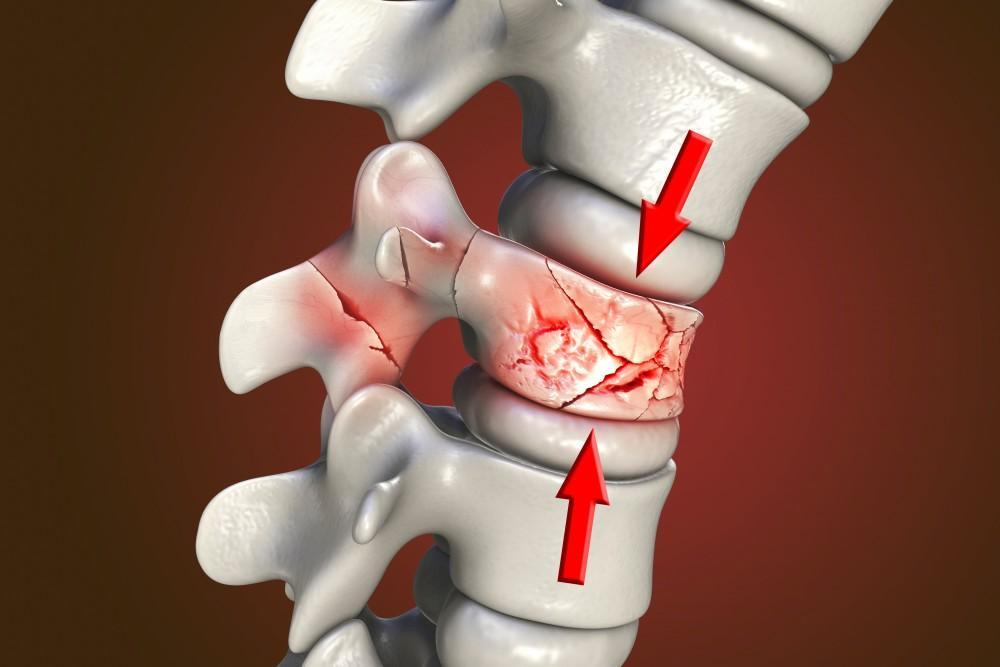
Spine Fracture Treatment – Advanced Emergency & Trauma Care
A spine fracture is a serious condition involving a break or collapse of one or more vertebrae in the spine. It can result from trauma, falls, accidents, or weakened bones, and may lead to severe pain, instability, or even paralysis if not treated promptly.
A spine fracture occurs when one or more bones of the spine (vertebrae) crack, collapse, or break. The severity can range from minor compression fractures to complex fractures affecting spinal stability and the spinal cord.
Types of Spine Fractures
- Compression Fracture – vertebra collapses, often due to osteoporosis
- Burst Fracture – vertebra breaks into multiple fragments
- Flexion-Distraction Fracture – caused by forward bending forces
- Fracture-Dislocation – severe injury involving displacement of vertebrae
Causes of Spine Fracture
- Road accidents or trauma
- Falls from height
- Sports injuries
- Osteoporosis (weak bones)
- Tumors affecting the spine
Symptoms of Spine Fracture
- Severe back or neck pain
- Limited mobility
- Numbness or tingling
- Weakness in arms or legs
- Loss of bladder or bowel control (serious cases)
- Deformity or abnormal posture
Diagnosis of Spine Fracture
A neurosurgeon may recommend:
- Physical and neurological examination
- X-rays
- CT scan for detailed bone imaging
- MRI to assess spinal cord and soft tissues
Treatment Options for Spine Fracture
1. Non-Surgical Treatment
For stable fractures:
- Bed rest and activity modification
- Pain management
- Bracing (spinal support)
- Physiotherapy
2. Minimally Invasive Procedures
- Vertebroplasty – injection of bone cement to stabilize fracture
- Kyphoplasty – balloon-assisted procedure to restore vertebral height
3. Surgical Treatment
Required for unstable or severe fractures:
- Spinal fixation (rods and screws)
- Decompression surgery (relieves pressure on spinal cord)
- Spinal fusion (stabilizes spine)
Benefits of Timely Treatment
- Pain relief
- Prevention of further injury
- Restoration of spinal stability
- Protection of spinal cord and nerves
- Improved mobility and quality of life
Risks of Spine Fracture Treatment
- Infection
- Bleeding
- Nerve damage
- Hardware complications (in surgical cases)
- Delayed healing
An experienced neurosurgeon helps minimize these risks.
Recovery After Spine Fracture
- Mild fractures: 6–12 weeks recovery
- Post-surgery hospital stay: 3–7 days
- Full recovery: Several weeks to months
Rehabilitation may include physiotherapy and gradual return to activities.
Prevention Tips
- Maintain bone health (calcium & vitamin D)
- Exercise regularly
- Avoid falls and use safety measures
- Treat osteoporosis early
- Use protective gear during sports
Why Choose an Experienced Neurosurgeon?
A skilled neurosurgeon ensures:
- Accurate diagnosis and emergency care
- Advanced surgical techniques
- Personalized treatment planning
- Better recovery and reduced complications