Cervical Disc Bulge Treatment – Advanced Neck & Spine Care
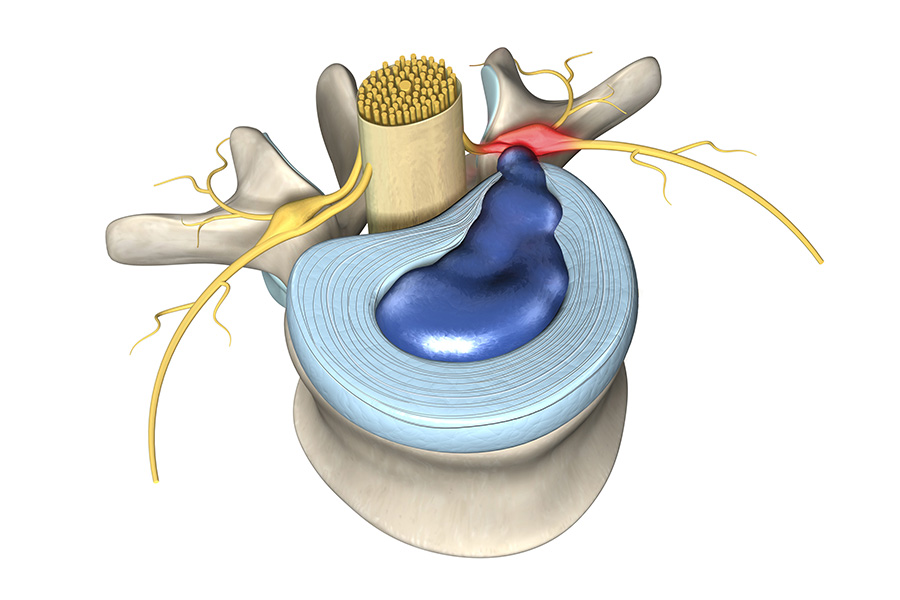
A Cervical Disc Bulge is a common spine condition affecting the neck region, where an intervertebral disc protrudes and may press on nearby nerves. This can cause neck pain, stiffness, and radiating symptoms into the shoulders and arms.
The cervical spine (neck region) consists of vertebrae separated by soft discs that act as shock absorbers. A cervical disc bulge occurs when one of these discs extends beyond its normal boundary without rupturing.
If the bulging disc compresses nearby nerves, it can lead to pain and neurological symptoms.
Causes of Cervical Disc Bulge
Common causes include:
- Age-related wear and tear (degeneration)
- Poor posture (especially prolonged screen use)
- Repetitive neck movements
- Injury or trauma
- Sedentary lifestyle
- Weak neck and back muscles
Symptoms of Cervical Disc Bulge
- Neck pain and stiffness
- Pain radiating to shoulders and arms
- Numbness or tingling in hands or fingers
- Muscle weakness in arms
- Headaches (in some cases)
- Reduced range of neck motion
Diagnosis of Cervical Disc Bulge
A neurosurgeon may recommend:
- Physical and neurological examination
- MRI scan (most accurate)
- CT scan or X-ray
- Nerve conduction studies (if required)
Treatment Options for Cervical Disc Bulge
1. Conservative (Non-Surgical) Treatment
Most patients improve without surgery:
- Pain relief medications
- Physiotherapy and posture correction
- Cervical collar (short-term use)
- Lifestyle modifications
- Epidural steroid injections
2. Minimally Invasive Spine Surgery
Recommended if symptoms persist or worsen:
- Microdiscectomy – removal of disc pressing on nerves
- Cervical discectomy and fusion (ACDF)
- Artificial disc replacement
- Endoscopic spine surgery
Benefits of Treatment
- Relief from pain and nerve compression
- Improved neck mobility
- Prevention of further complications
- Faster recovery with minimally invasive techniques
- Enhanced quality of life
Risks of Treatment
- Infection
- Bleeding
- Nerve injury (rare)
- Recurrence of disc problem
- Temporary stiffness
Choosing an experienced neurosurgeon significantly reduces these risks.
Recovery After Treatment
- Non-surgical recovery: Few weeks
- Post-surgery hospital stay: 1–3 days
- Return to work: 2–6 weeks
- Full recovery: Depends on severity and treatment type
Prevention Tips
- Maintain proper posture (especially while using mobile/computer)
- Exercise regularly and strengthen neck muscles
- Avoid prolonged sitting
- Use ergonomic chairs and pillows
- Avoid sudden neck movements
Why Choose an Experienced Neurosurgeon?
A skilled neurosurgeon ensures:
- Accurate diagnosis and evaluation
- Personalized treatment plans
- Use of advanced minimally invasive techniques
- Faster recovery and better outcomes