Hemifacial Spasm Treatment – Advanced Neurosurgical Care
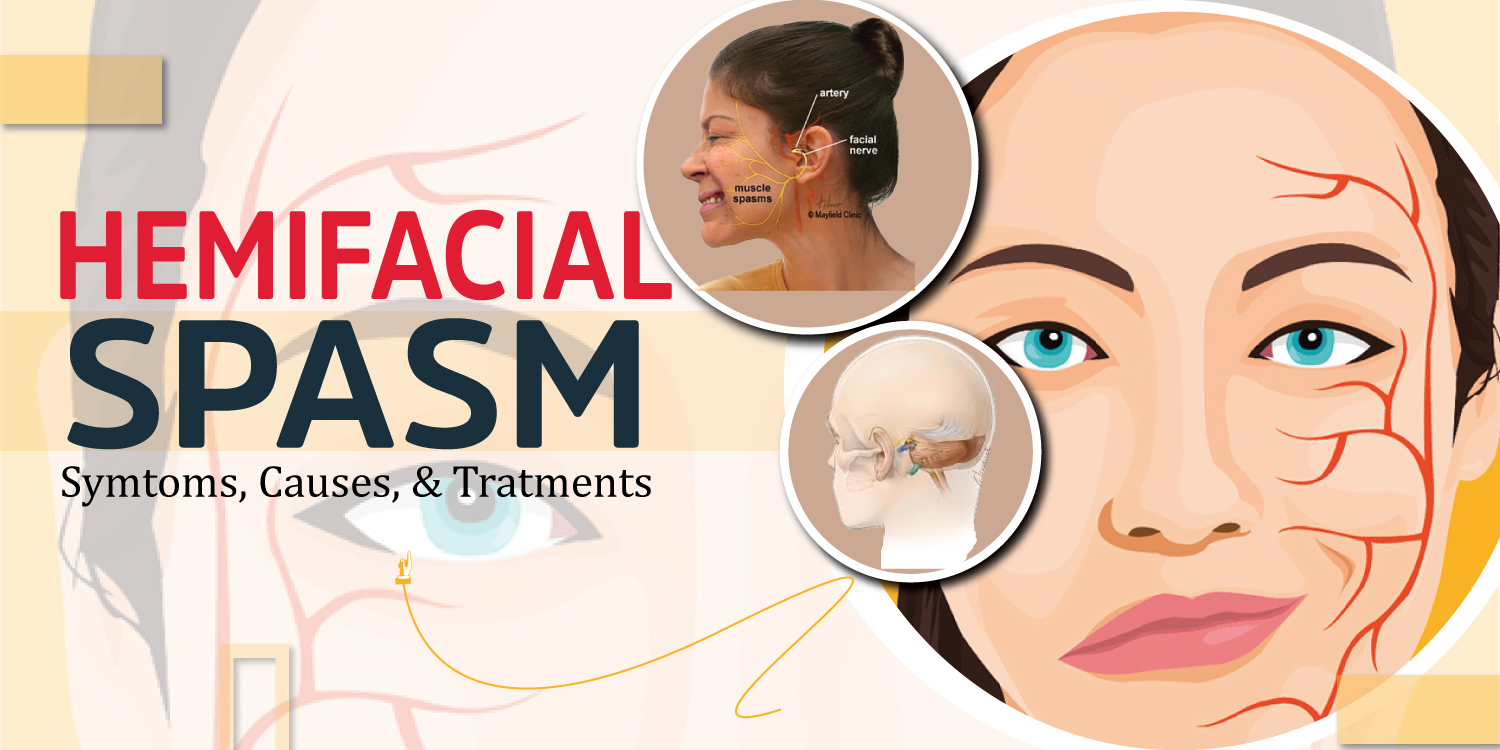
Hemifacial Spasm is a neurological condition that causes involuntary twitching or contractions of the muscles on one side of the face. These spasms can worsen over time and affect daily activities, confidence, and quality of life.
An experienced neurosurgeon can accurately diagnose and treat hemifacial spasm using advanced medical and surgical techniques for long-term relief.
Hemifacial Spasm is a disorder involving the facial nerve (cranial nerve VII), leading to uncontrollable muscle contractions on one side of the face. It often begins with mild twitching around the eye and may gradually spread to other facial muscles.
Causes of Hemifacial Spasm
Common causes include:
- Compression of the facial nerve by a blood vessel
- Nerve irritation or damage
- Brain tumors (rare cases)
- Previous facial nerve injury
- Unknown (idiopathic) causes
Symptoms of Hemifacial Spasm
- Involuntary twitching of facial muscles
- Spasms usually on one side of the face
- Eye blinking or closure
- Facial tightness or pulling sensation
- Symptoms worsening over time
- Difficulty in speaking or facial expressions (in severe cases)
Diagnosis of Hemifacial Spasm
A neurosurgeon may recommend:
- Detailed neurological examination
- MRI scan to detect nerve compression or underlying issues
- Patient history and symptom assessment
Treatment Options for Hemifacial Spasm
- Medications
Certain medications may help reduce nerve activity, though results are often limited. - Botulinum Toxin (Botox) Injections
A commonly used non-surgical treatment that relaxes facial muscles and reduces spasms temporarily. - Microvascular Decompression (MVD)
A highly effective surgical procedure where the neurosurgeon relieves pressure on the facial nerve by repositioning or removing the compressing blood vessel.
Benefits of Treatment
- Relief from involuntary facial movements
- Improved facial appearance and confidence
- Long-term solution with surgery (MVD)
- Enhanced quality of life
Risks of Treatment
- Temporary facial weakness
- Facial numbness
- Infection (in surgical cases)
- Recurrence of symptoms
Choosing an experienced neurosurgeon helps minimize these risks.
Recovery After Treatment
- Botox injections: Resume normal activities within a day
- MVD surgery:
- Hospital stay: 3–5 days
- Initial recovery: 2–3 weeks
- Full recovery: Several weeks
Most patients experience significant improvement after treatment.
Why Choose an Experienced Neurosurgeon?
A skilled neurosurgeon ensures:
- Accurate diagnosis
- Advanced and personalized treatment
- High success rate in surgical procedures
- Better long-term outcomes