Endoscopic Brain Surgery – Minimally Invasive Neurosurgical Care
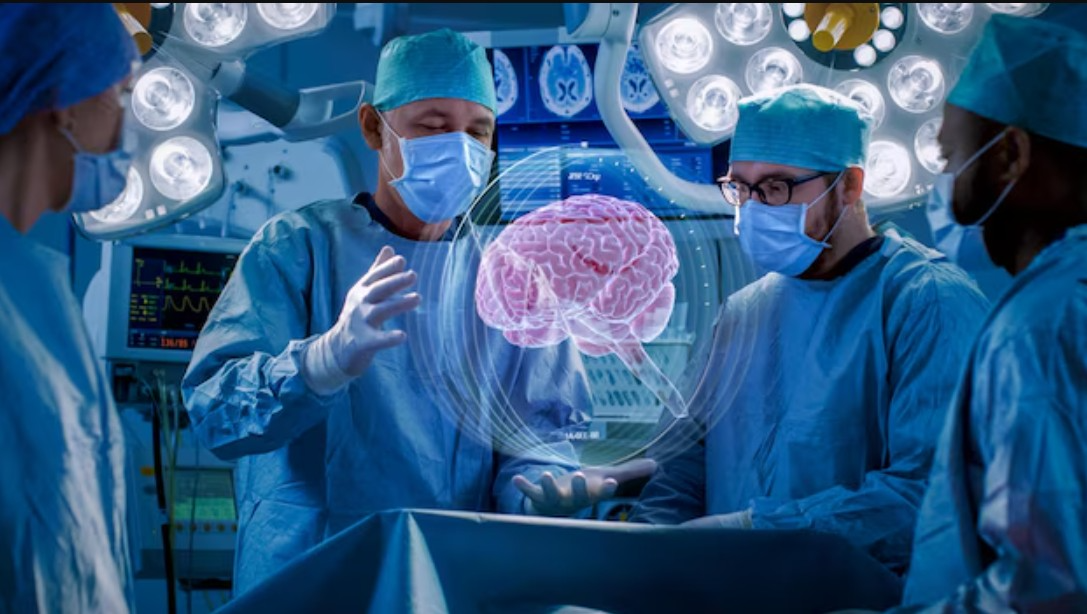
Endoscopic brain surgery is a modern, minimally invasive technique used to treat various brain conditions with greater precision and minimal disruption to healthy tissue. Using a thin tube called an endoscope equipped with a high-definition camera, a neurosurgeon can access deep areas of the brain through small openings or natural pathways.
Endoscopic brain surgery involves inserting a small camera (endoscope) into the brain through tiny incisions or natural openings such as the nose. This allows the neurosurgeon to visualize and operate on delicate brain structures with high accuracy.
Conditions Treated with Endoscopic Brain Surgery
Endoscopic techniques are commonly used to treat:
- Brain tumors (especially pituitary tumors)
- Hydrocephalus (excess fluid in the brain)
- Brain cysts
- Skull base tumors
- Ventricular tumors
- Certain types of brain hemorrhage
Common Endoscopic Brain Procedures
- Endoscopic Third Ventriculostomy (ETV)
Creates a pathway to drain excess cerebrospinal fluid in hydrocephalus patients. - Endoscopic Tumor Removal
Minimally invasive removal of tumors using specialized instruments. - Transnasal Endoscopic Surgery
Accesses brain tumors through the nose, avoiding external incisions.
Advanced Technologies Used
- High-definition endoscopic cameras
- Neuronavigation systems
- 3D imaging guidance
- Intraoperative monitoring
- Microsurgical instruments
Benefits of Endoscopic Brain Surgery
- Minimally invasive approach
- Smaller or no visible scars
- Less blood loss
- Reduced pain
- Shorter hospital stay
- Faster recovery
Risks of Endoscopic Brain Surgery
Although safer than traditional surgery, possible risks include:
- Infection
- Bleeding
- Cerebrospinal fluid leak
- Damage to surrounding brain structures
- Recurrence of condition
Choosing an experienced neurosurgeon helps minimize these risks.
Recovery After Endoscopic Brain Surgery
- Hospital stay: 2–5 days
- Initial recovery: 1–3 weeks
- Full recovery: Few weeks to months
Most patients return to normal activities faster compared to open surgery.
Why Choose an Experienced Neurosurgeon?
A skilled neurosurgeon ensures:
- Accurate diagnosis and surgical planning
- Use of advanced minimally invasive techniques
- Reduced complications
- Better functional outcomes