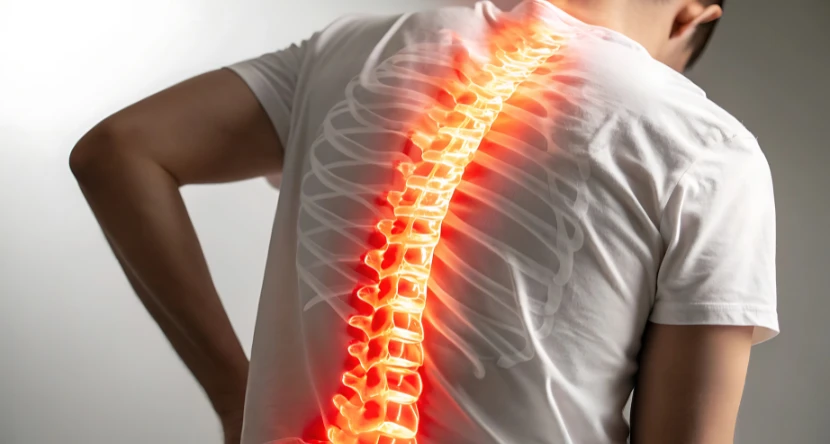
Early Signs of Spine Problems: You Should Never Ignore
Your spine plays a crucial role in supporting your body, enabling movement, and protecting the spinal cord. However, spine-related issues often begin with mild symptoms that are easy to overlook. Ignoring these early warning signs can lead to serious complications over time.
Why Spine Health Matters
The spine is not just a structural support system—it also houses the spinal cord, which connects your brain to the rest of your body. Even a minor issue in the spine can affect mobility, sensation, and overall quality of life.
Common Early Signs of Spine Problems
- Persistent Back or Neck Pain
Occasional discomfort is normal, but if you experience pain that lasts for weeks or keeps returning, it could indicate an underlying spine issue such as muscle strain, disc problems, or early degeneration. - Numbness or Tingling Sensation
A “pins and needles” feeling in your arms, legs, hands, or feet may signal nerve compression or irritation, often caused by conditions like a slipped disc. - Pain Radiating to Arms or Legs
If your back or neck pain travels down your arms or legs, it may be due to nerve involvement, such as sciatica or cervical radiculopathy. - Muscle Weakness
Difficulty in lifting objects, gripping things, or walking steadily could be a sign of nerve damage affecting muscle strength. - Stiffness and Reduced Flexibility
If you find it hard to bend, twist, or move freely, it may indicate stiffness in the spine or joint-related issues. - Poor Posture and Spinal Imbalance
Noticeable changes in posture, such as slouching, uneven shoulders, or a curved back, can be early indicators of spinal problems. - Difficulty Standing or Sitting for Long Periods
Pain or discomfort when sitting or standing for extended periods may suggest underlying spinal stress or disc issues. - Loss of Bladder or Bowel Control (Serious Sign)
This is a medical emergency and may indicate severe nerve compression. Immediate medical attention is required.
Common Spine Conditions Behind These Symptoms
Early signs may be linked to various spine conditions, including:
- Herniated (slipped) disc
- Degenerative disc disease
- Sciatica
- Spinal stenosis
- Spondylosis (age-related wear and tear)
- Spine injuries or fractures
When Should You See a Specialist?
You should consult a spine specialist or neurosurgeon if:
- Pain persists for more than 2–3 weeks
- Symptoms are worsening over time
- You experience numbness, weakness, or radiating pain
- Daily activities become difficult
- There is sudden loss of bladder or bowel control
Early diagnosis can prevent long-term damage and improve treatment outcomes.
Tips to Protect Your Spine
- Maintain proper posture while sitting and standing
- Exercise regularly to strengthen back muscles
- Avoid heavy lifting or use correct lifting techniques
- Maintain a healthy weight
- Use ergonomic furniture, especially if you sit for long hours