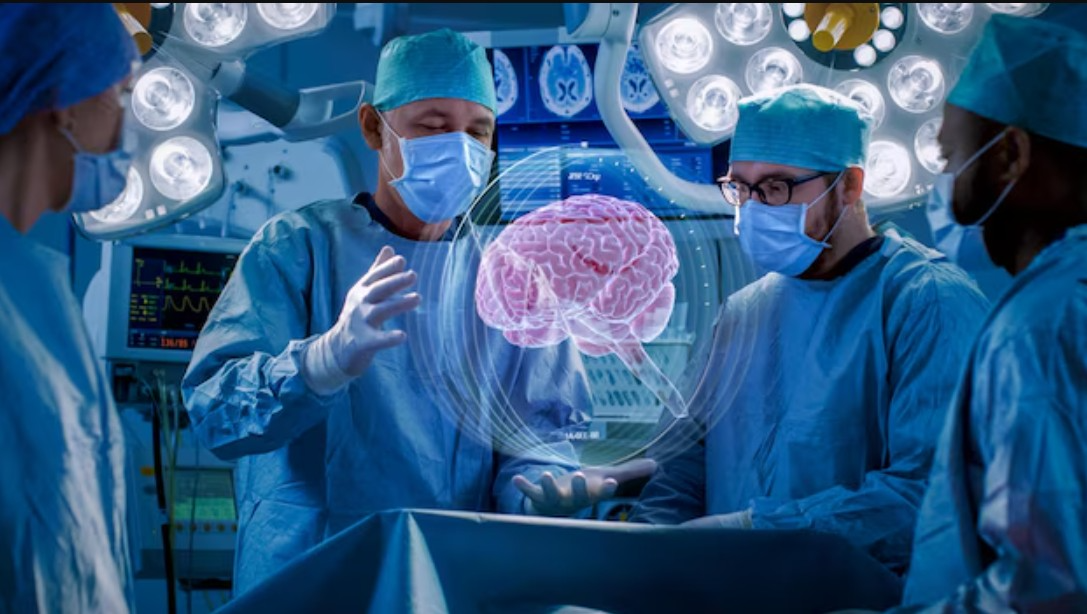
Minimally Invasive Brain Surgery: What Patients Should Know
Brain surgery often sounds intimidating, but modern medical advancements have made it safer, more precise, and far less invasive than ever before. Minimally invasive brain surgery is a revolutionary approach that allows neurosurgeons to treat complex brain conditions with smaller incisions, reduced pain, and faster recovery.
What Is Minimally Invasive Brain Surgery?
Minimally invasive brain surgery is a technique where neurosurgeons use advanced tools, imaging technology, and very small incisions to access and treat brain conditions. Instead of traditional open surgery, which may require a large opening in the skull, this approach focuses on precision and minimal disruption to surrounding tissues.
Common techniques include:
- Endoscopic brain surgery (using a thin tube with a camera)
- Keyhole surgery (small skull openings)
- Image-guided or computer-assisted surgery
Conditions Treated with Minimally Invasive Brain Surgery
This advanced surgical method is used to treat a wide range of neurological conditions, including:
- Brain tumors
- Pituitary tumors
- Hydrocephalus (fluid buildup in the brain)
- Brain cysts
- Certain vascular abnormalities
- Some epilepsy cases
Not every condition qualifies for minimally invasive techniques, but many patients today are eligible due to technological advancements.
Key Benefits of Minimally Invasive Brain Surgery
- Smaller Incisions
Surgeons make tiny openings instead of large cuts, which means less trauma to the body. - Faster Recovery
Patients typically recover more quickly compared to traditional surgery, often returning to normal activities sooner. - Reduced Pain and Scarring
Less tissue damage results in minimal pain and smaller scars. - Lower Risk of Complications
There is usually less bleeding, lower infection risk, and fewer complications. - Shorter Hospital Stay
Many patients can go home within a few days, depending on the procedure.
How the Procedure Works
Before surgery, patients undergo imaging tests like MRI or CT scans to map the brain in detail. During the procedure:
- The surgeon makes a small incision or opening.
- Specialized instruments and a camera are inserted.
- Real-time imaging helps guide the surgeon with high precision.
- The condition is treated while protecting surrounding brain tissue.
The goal is maximum effectiveness with minimal disruption.
What to Expect Before Surgery
- Detailed medical evaluation and imaging tests
- Discussion of risks, benefits, and alternatives
- Instructions about medications and fasting
- Pre-surgical counseling to prepare mentally and physically
Recovery After Minimally Invasive Brain Surgery
Recovery is generally smoother compared to traditional methods. Patients can expect:
- Shorter hospital stay (often 2–5 days)
- Mild discomfort instead of severe pain
- Gradual return to daily activities
- Follow-up visits and imaging to monitor healing
However, recovery time varies depending on the condition and individual health.
Are There Any Risks?
While minimally invasive brain surgery is safer, it still carries some risks, such as:
- Infection
- Bleeding
- Reaction to anesthesia
- Neurological complications (rare)
Choosing an experienced neurosurgeon significantly reduces these risks.
Who Is a Suitable Candidate?
Not all patients are eligible for minimally invasive procedures. Suitability depends on:
- Type and location of the brain condition
- Size of the tumor or lesion
- Overall health of the patient
A neurosurgeon will determine the best approach based on detailed evaluation.